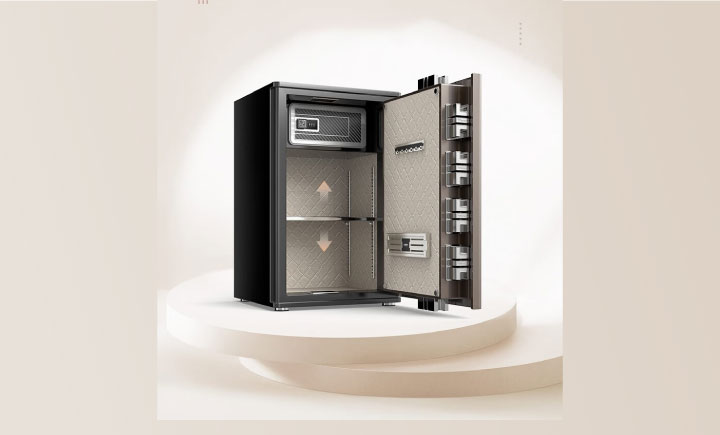


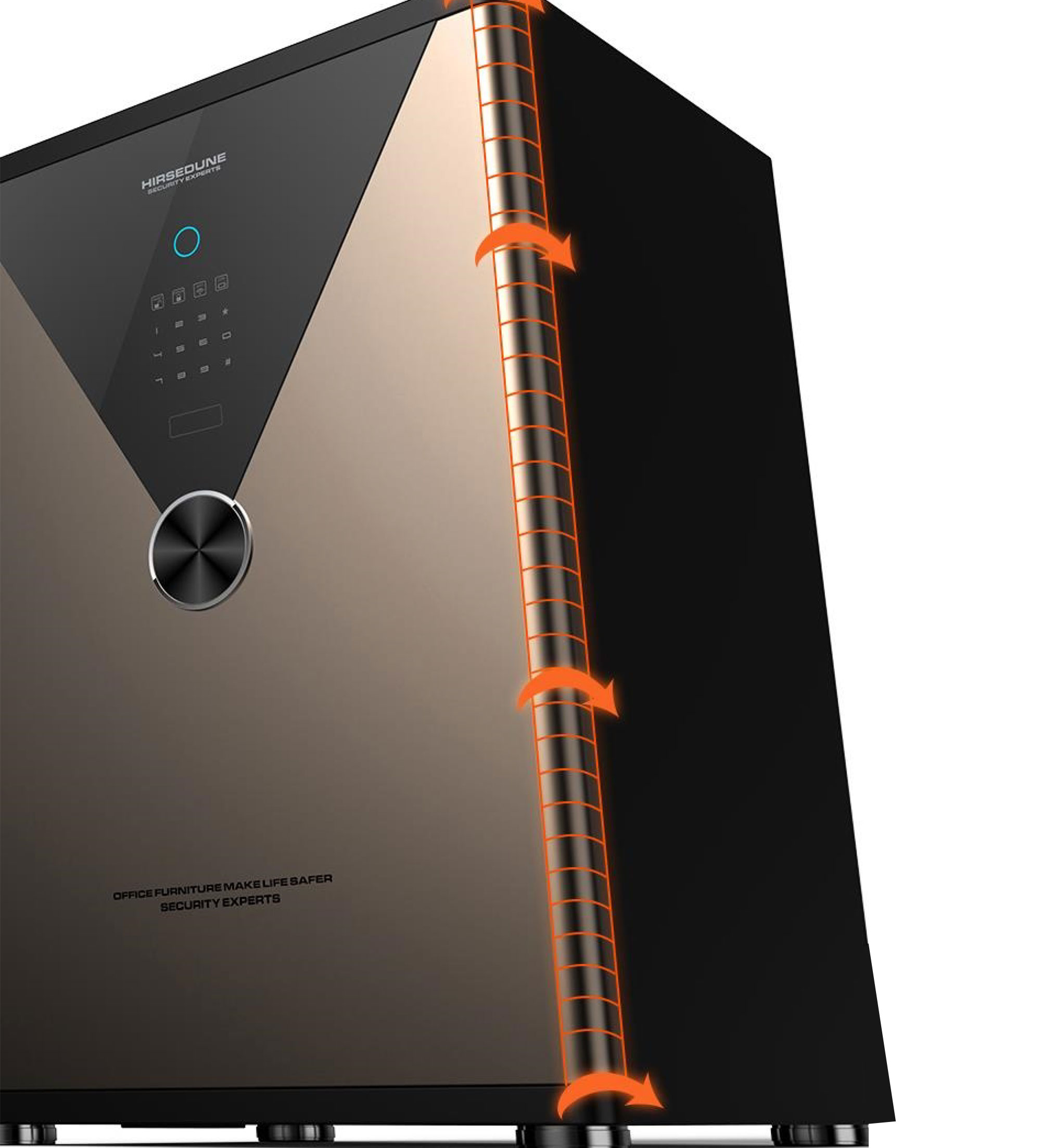
- Safes are one of the most frequently used security solutions for protecting our valuables, important documents, and money. However, to accurately assess how secure a safe is, it’s important to examine several key factors in detail. The security level of a safe is influenced by various elements, including the quality of materials used, locking mechanisms, fire resistance, and installation method.
Types of Safes and Their Security Levels
- Safes are manufactured in different types to meet various security needs. Firstly, standard security safes are typically designed to protect small-scale valuables and documents. These safes are made from steel of a certain thickness and provide a basic level of protection against theft and physical impact. However, these types of safes may be relatively easier to break into by professional burglars. Therefore, for the protection of highly valuable items, safes with higher security levels are recommended.
Fire-resistant safes, on the other hand, offer a higher degree of protection. These safes are built to withstand temperatures of up to 1000°C for 90 minutes and can protect their contents for up to 120 minutes.
They provide full protection against heat, smoke, steam, moisture, electricity, and magnetic fields. Their door seals are equipped with fireproof insulation to prevent any gaps from being exposed to flames.
Fire-resistant safes are ideal for environments where fire risk is a concern.
Armored safes provide high-level protection against both theft and fire. With thick steel doors and advanced locking mechanisms, they are highly effective against professional burglary attempts.
Commonly used by banks and large businesses, these safes are built to meet strict security standards and withstand both physical attacks and fire hazards.
These safes are equipped with multiple layers of security features, including NFC (face recognition), PIN code entry, key access, and mechanical dials. They work in a 4-step combination system.
For instance, to open the safe, the key must be used first, followed by facial recognition, then the safe opens—this illustrates the robustness of the opening system.
In fact, when asking “how secure can a safe be,” armored safes serve as the best example.
Another feature that enhances safe security is the Wi-Fi-enabled smart system. Found in more technologically advanced models, this system allows the safe to be accessed remotely via smartphone.
These safes also include shock sensors—if the safe is moved or tampered with, an alarm is triggered on the phone.
Additionally, these models support biometric access for up to 15 users, allowing fingerprint recognition for multiple authorized individuals.
An example of such safes includes our Tiger Series, which you can explore in more detail.
Key Security Features of Safes
One of the most critical factors determining the security of a safe is the thickness and quality of the steel used.
As steel thickness increases, the safe becomes more resistant to impact, cutting, and drilling.
High-quality safes offer stronger protection against burglary attempts. Therefore, when purchasing a safe, paying close attention to the material quality is essential for long-term security.
Locking mechanisms also play a major role in the security of safes. These mechanisms range in complexity and include electronic locks, mechanical locks, and biometric locks (such as fingerprint readers).
Electronic locks are typically user-friendly and equipped with various encryption technologies.
Mechanical locks offer a simpler design but are often very durable.
Biometric locks utilize fingerprint or other biometric data to grant access and generally provide the highest level of security.
The more complex the locking system, the more resistant it is to burglary, significantly enhancing the safe’s overall security.
Installation and anchoring are also crucial elements affecting a safe’s security. Anchoring the safe to the wall or floor makes it more difficult for thieves to remove or transport it.
A securely anchored safe is generally considered much safer, as it requires significantly more time and effort for a burglar to tamper with.
Therefore, it is recommended to seek professional help during the installation process to ensure the safe is properly secured.
Conclusion
When used appropriately and selected correctly, safes offer significant protection against theft, fire, and other potential hazards.
However, to maximize security, it is vital to carefully consider several factors, including the type of safe, material quality, locking mechanisms, fire resistance, and proper installation.
Recognizing the limitations of safes and taking additional security precautions, as well as performing regular maintenance, are critical for long-term protection. Being meticulous with the safe’s installation and
upkeep will greatly enhance its security and reliability over time.